Taking Down a Detached Garage or Shed on a Shasta County Lot
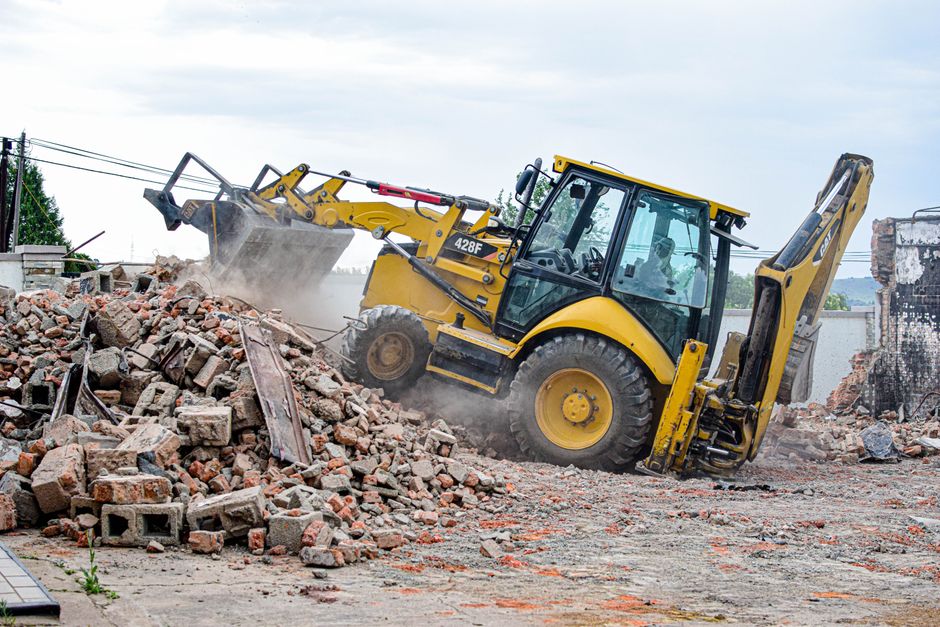
Walk the whole building before anything is cut, and trace every wire and pipe that leaves it. A detached garage or shed teardown on a rural lot in Shasta County, CA starts with the utilities, and shasta county house demolition renew grid mag sets the order deliberately: power off, lines capped, then the roof. Most garages out past Redding and Anderson were wired by an owner decades ago, so the run back to the house panel rarely sits where a plan says it does.
Utilities and the first hour
The subpanel gets shut off at the main and the feed is pulled at the house end. Water lines to a utility sink or hose bib are capped below the frost line, and a propane stub is closed at the tank and tagged. Nothing gets a saw until the feed is confirmed dead with a tester, since old garage wiring is often buried in the stud wall with no conduit.
Roof first, then walls
Roofing comes off in sections, shingles or sheet metal, then the sheathing and rafters. A sawzall or reciprocating saw cuts nails at the plates so the framing lifts out whole instead of splintering. Walls follow, one at a time, tipped inward away from the property line. A garage with a load bearing wall carrying a loft needs that wall shored before the roof load is taken off.
Slab and footing
The concrete slab is the slow part. A jackhammer or a breaker on a skid steer cracks it into pieces small enough to load, and the footing underneath is dug out only if the lot is being rebuilt on. Rebar tends to run closer to the surface than expected, which dulls bits and slows the cut.
Ground and access around Shasta Lake and Palo Cedro
Lots near Shasta Lake and Palo Cedro are often gravel drives off a county road, and a mini excavator fits through a gate that a full excavator cannot. Dry months let the machine work without rutting the clay. After a wet week the same drive turns to paste, and the haul truck waits.
Sorting what comes out
Wood, metal and concrete are separated as they fall, because mixed loads take longer to weigh in and dump. Clean framing lumber and sheet metal move quickly. Painted trim and old drywall in a finished garage are bagged apart, and anything that might carry lead paint or asbestos is set aside until it is tested.
Leaving the lot level
The last pass is grading. Fill is added where the footing came out, compacted in lifts, and the surface is shaped to drain away from neighbouring structures. A bare pad left with a low spot holds water through the first winter rains, so the shaping gets finished before the machine leaves.